
SOLUTIONS FOR DIFFERENT PROPERTY SITUATIONS
Every Seller’s Situation Is Different
Homeowners consider selling directly for many different reasons. Some properties need repairs, some are inherited or vacant, and others no longer fit the owner’s plans. We provide clear information so you can decide whether a direct cash sale makes sense for you.
Real Solutions. Fair Offers. No Pressure.
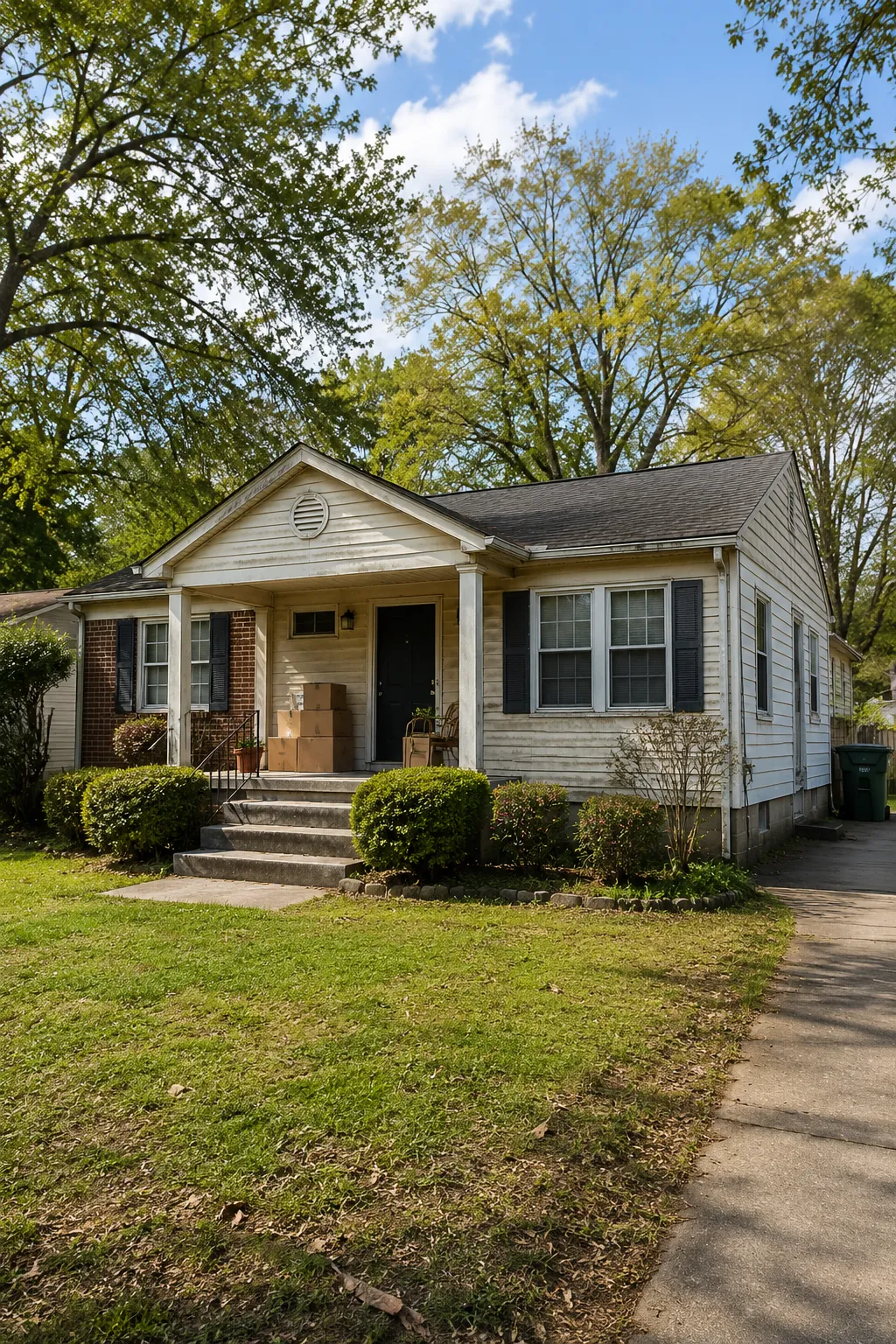
Common Reasons Homeowners Contact Us
You do not need to fit into a specific category to request an offer. The situations below are simply some of the most common reasons homeowners explore a direct property sale.
No obligation to request or review an offer
No upfront seller fees
Properties can be considered as-is
Professional title/escrow closing
Navigating Complex Property Scenarios
Inherited or Probate Property
Inheriting a property can involve emotional decisions, maintenance responsibilities, family coordination, and legal or title questions. A direct sale may provide an alternative when the family does not want to repair, clean, rent, or keep the property.
- Property may be considered in its current condition
- Personal belongings may sometimes remain, depending on the agreement
- Multiple heirs may need to approve the sale
- Probate or estate requirements must be completed when applicable
- The title or escrow company reviews ownership before closing


Houses That Need Repairs
Some homes need more work than the owner wants to manage. We consider properties with cosmetic updates, deferred maintenance, outdated systems, or more substantial repair needs.
- Roof or HVAC concerns
- Outdated kitchens or bathrooms
- Plumbing or electrical updates
- Water damage or deferred maintenance
- Foundation or structural concerns
- General cleaning, paint, flooring, or landscaping
You do not need to complete repairs before telling us about the property.
Transitions in Occupancy
Vacant or Unwanted Property
A vacant property can continue creating expenses through taxes, insurance, utilities, maintenance, and security concerns. A direct sale may help an owner move forward without preparing the property for a traditional listing.
- Vacant inherited homes
- Properties owned from another state
- Houses that have been sitting unused
- Properties requiring ongoing maintenance
- Homes the owner no longer plans to occupy
Problem Rental Property
Rental ownership may become difficult when repairs increase, vacancies continue, or managing the property no longer fits the owner’s plans. We can discuss the property and explain whether a direct sale may be possible.
- Vacant rental properties
- Properties needing repairs between tenants
- Difficult or costly property management
- Owners who want to leave the rental business
- Properties with existing tenants
Disclosure Note: Properties with tenants may require additional review of leases, occupancy, and applicable landlord-tenant requirements.
Relocation or Downsizing
A job change, move, retirement, family transition, or lifestyle change may create the need for a simpler sale. A direct purchase can reduce the need for repairs, repeated showings, and a long listing timeline.
- Moving for work
- Moving closer to family
- Downsizing to a smaller home
- Managing a property from another state
- Selling before or after purchasing another home
Managing Financial & Life Changes
Unexpected expenses, changes in income, divorce, medical responsibilities, or other life events may cause an owner to reconsider keeping a property. We provide a no-pressure conversation so the homeowner can understand the direct-sale option.
Homeowners should consider their available options and may seek independent legal, tax, or financial advice before making a decision.
Behind on Payments or Facing Foreclosure
When mortgage payments have been missed or a foreclosure timeline has begun, timing may become important. A possible property sale is one option a homeowner may consider, but it is not the only option.
- Contact the mortgage servicer as early as possible
- Ask about available repayment, modification, or hardship options
- Consider speaking with a housing counselor or attorney
- Confirm the foreclosure timeline for the property
- Requesting an offer does not stop a foreclosure proceeding
Note: Next Door Solutions Group is not a law firm, lender, foreclosure consultant, or housing counseling agency. We do not provide legal or financial advice.
Divorce or Changes in Property Ownership
A property sale may be considered when co-owners separate, divorce, or no longer agree on how the property should be used. Any sale must follow the ownership rights, court orders, and signatures required for the property.
- Both owners may need to approve and sign
- Existing court orders may affect the transaction
- Title ownership must be confirmed
- Sellers may wish to consult their attorneys
Liens or Title Questions
Mortgages, tax liens, judgments, unpaid assessments, or ownership questions do not always prevent a sale, but they must be reviewed during the title or escrow process.
- Existing mortgage balances
- Property tax liens
- HOA liens
- Judgments
- Estate or ownership questions
- Unreleased prior liens
Note: The title or escrow company determines what must be resolved before ownership can transfer.
What Selling As-Is Means
Selling as-is generally means the seller is not expected to complete agreed repairs or renovations before closing. The property condition should still be disclosed accurately, and the purchase agreement will explain the terms of the transaction.
No Required Renovation Plan
You are not expected to remodel the house before requesting an offer.
No Public Showings
A direct sale does not require traditional open houses.
Property Condition Review
A walkthrough may be conducted after the purchase agreement is signed.
Written Purchase Terms
The agreed price, property condition terms, and closing process are documented in writing.
Your Situation Does Not Need a Label
Every property and homeowner is different. Tell us what is happening, what you hope to accomplish, and the timeline you are considering. We will explain whether we may be able to make an offer.
Questions About the Properties We Consider
Do you only buy distressed houses?
No. We consider properties in many conditions, including homes that are well maintained, outdated, vacant, rented, or in need of repairs.
Do I need to clean out the property?
Not necessarily. Discuss the property and any remaining belongings with us before assuming everything must be removed.
Can you consider a house with tenants?
Possibly. Existing leases, occupancy, and applicable landlord-tenant requirements must be reviewed.
Can you consider an inherited property?
Yes, provided the legal owners or authorized estate representatives can complete the required sale and title documents.
What if I still owe money on the mortgage?
A mortgage does not automatically prevent a sale. The title or escrow company calculates the required payoff from the closing proceeds.
What if there are liens on the property?
Liens and title matters must be reviewed. The title or escrow company determines what must be paid or resolved before closing.
Does requesting an offer obligate me to sell?
No. You decide whether the proposed price and terms work for you.
Do you buy every property?
No. Each property is reviewed individually, and an offer may not be possible in every situation.

Let’s Talk About Your Property
Share a few details and receive a straightforward, no-obligation conversation about your property and available next steps.
Call or Text (762) 920-1293
Website: nextdoorsg.com
Privacy Policy | Terms and Conditions
Next Door Solutions Group helps homeowners explore a straightforward alternative to a traditional property listing. We focus on clear communication, respectful service, and a professional closing process coordinated through title or escrow partners.
Real Solutions. Fair Offers. No Pressure.
Next Door Solutions Group LLC
Next Door Solutions Group is not affiliated with the Nextdoor neighborhood application.
© 2026 Next Door Solutions Group LLC. All rights reserved.